Medical education is evolving rapidly, shaped by advances in technology, changes in healthcare needs, and lessons learned from global health crises. The tools and supplies used in training future healthcare professionals are more innovative than ever before, moving beyond basic practice kits to advanced simulation systems and smarter protective equipment.
For educators, students, and institutions, keeping up with these trends ensures that learning remains relevant, safe, and effective.
Simulation: Realism at the Core of Training
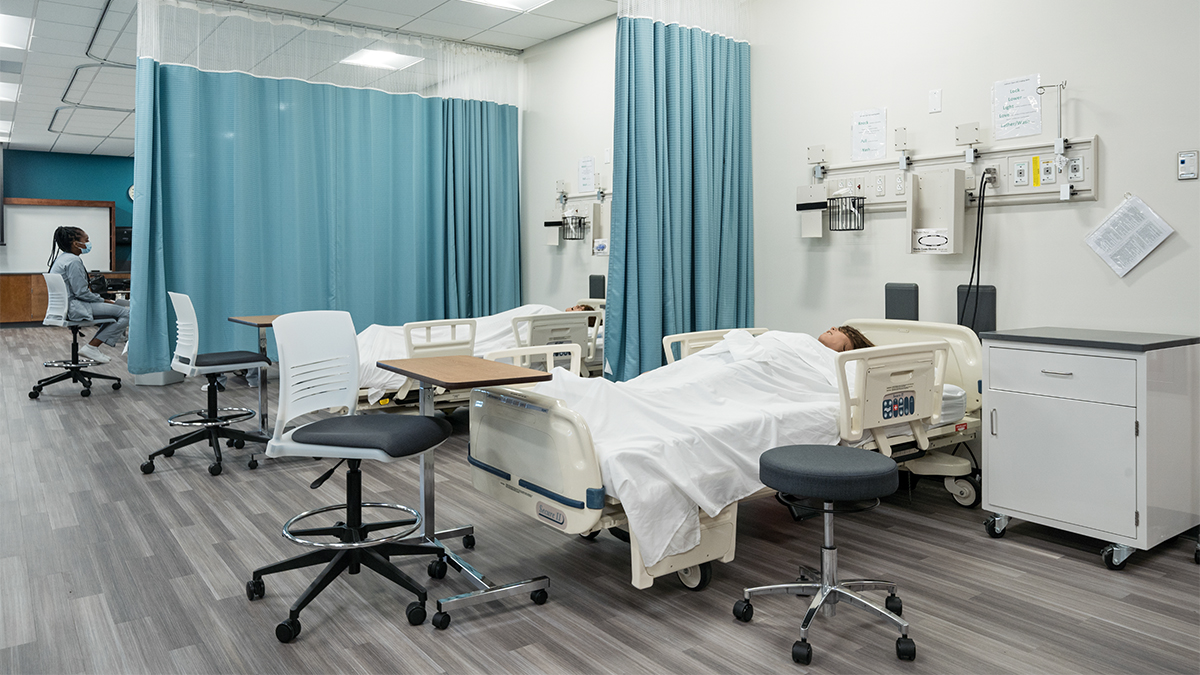
Simulation is one of the most transformative areas in medical education. Rather than relying solely on classroom learning or limited clinical exposure, students now have access to realistic training environments that mimic real-life scenarios.
Key trends include:
1. High-Fidelity Mannequins:
These advanced mannequins can simulate breathing, bleeding, and even vital sign changes, allowing students to practice responses to emergencies.
2. Task Trainers:
Silicone pads and anatomical models are increasingly realistic, giving students hands-on practice in skills such as injections, suturing, and IV insertions.
3. Virtual and Augmented Reality (VR/AR):
Digital simulation platforms are growing, offering immersive environments where learners can rehearse procedures or explore anatomy in 3D.
4. Scenario-Based Learning:
Educators now design simulation scenarios around teamwork, decision-making, and patient communication, not just technical skills.
These innovations not only improve technical competence but also prepare students for the stress and unpredictability of real clinical settings.
PPE: A Renewed Focus on Safety
Personal Protective Equipment (PPE) has always been central to healthcare, but recent years have highlighted its importance in both training and practice. Medical education now integrates PPE more deeply into daily learning to ensure students are prepared for professional environments.
Notable developments include:
1. Enhanced Training with PPE:
Students are encouraged to practice procedures while wearing masks, gloves, gowns, and eye protection to build familiarity.
2. Comfort-Focused PPE:
Manufacturers are creating lighter, breathable gowns and masks that combine protection with comfort during extended wear.
3. Reusable and Sustainable Options:
With environmental concerns rising, institutions are exploring reusable gowns and masks that reduce waste without compromising safety.
4. Integration into Simulation:
PPE use is built into simulation scenarios so that correct donning and doffing techniques become second nature.
Training Tools: Smarter, Safer, and More Accessible
Alongside simulation and PPE, the wider range of training tools is also advancing. These updates are designed to support both individual skill-building and large-scale institutional needs.
Emerging trends include:
1. Customised Kits:
Nursing and medical schools increasingly rely on tailored kits that match their curricula, reducing waste and ensuring consistency.
2. Digital Integration:
QR codes, apps, and online resources are being paired with physical training tools to enhance self-study and feedback.
3. Durable, Multi-Use Products:
Injection pads, wound care models, and dressing kits are being designed for repeated use, improving value for institutions.
4. Portable Training Supplies:
Compact, well-organised kits make it easier for students to practice skills outside of classroom labs.
Conclusion
The landscape of medical education supplies is shifting quickly. Simulation is becoming more lifelike and immersive, PPE is more deeply embedded in training, and practical tools are smarter, more durable, and easier to access. For educators and students alike, investing in the latest supplies is not just about keeping up with trends—it is about shaping better healthcare outcomes for tomorrow.