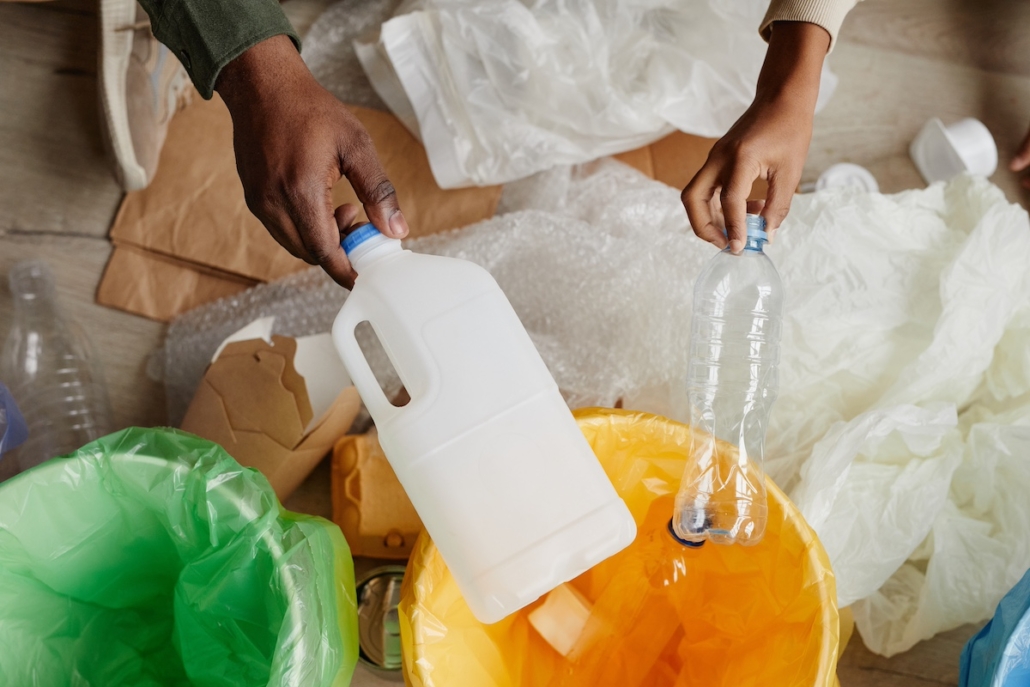
How PP Recycling Supports Global Plastic Reduction Goals
Polypropylene (PP) is one of the most widely used types of plastic in the world, found in everyday items such as food containers, packaging films, automotive components, and textiles. However, its popularity also contributes to the growing plastic waste crisis. As countries around the world commit to reducing plastic pollution, PP Recycling polypropylene has become a crucial component of global strategies to mitigate environmental damage and move toward a circular economy.
Understanding the Impact of PP Waste
The durability and versatility of polypropylene make it valuable, but also challenging when it comes to disposal. Unlike some other plastics, PP is less commonly recycled due to its complex material characteristics and the lack of consistent infrastructure for its recovery. This has resulted in large quantities of PP ending up in landfills or as environmental litter. Addressing this issue is vital for meeting the global targets set under various international environmental agreements and sustainability frameworks.
Role of Recycling in Reducing Plastic Footprint
Recycling PP plays a significant role in cutting down the overall plastic footprint. By recovering used polypropylene and reprocessing it into new materials, manufacturers can reduce the demand for virgin plastic production. This not only conserves natural resources like petroleum but also significantly lowers greenhouse gas emissions associated with the extraction and processing of raw materials.
Moreover, recycling extends the lifecycle of PP products, reducing their environmental impact. For example, reprocessed PP can be used in producing automotive parts, garden furniture, or storage bins, thereby displacing the need for new plastic production. This substitution effect is central to sustainable plastic management.
Contribution to Global Sustainability Goals
Several global goals, including those outlined in the United Nations Sustainable Development Goals (SDGs), directly or indirectly relate to improved waste management and responsible production. PP recycling contributes to SDG 12 (Responsible Consumption and Production), SDG 13 (Climate Action), and SDG 14 (Life Below Water), by minimizing plastic waste leakage into ecosystems and cutting emissions through reduced raw material use.
In countries that have developed integrated waste management systems, PP recycling has become an effective tool in meeting national targets for plastic reduction. Investments in advanced sorting technologies, consumer education programs, and circular design principles have all contributed to making PP recycling more efficient and impactful.
Innovation and Policy as Enablers
Emerging technologies are making it easier to recycle PP at scale. From improved sorting systems that use AI and robotics to chemical recycling processes that break down PP into its base monomers, innovation is expanding the possibilities of how recycled PP can be reintegrated into the production chain.
Governments also play a pivotal role through policy. Regulations that mandate minimum recycled content in plastic products, extended producer responsibility schemes, and incentives for recycling infrastructure can all accelerate the growth of PP recycling initiatives.
Conclusion
Polypropylene recycling is not merely a technical process; it is a key strategy in achieving global plastic reduction goals. By turning waste into a resource, the recycling of PP reduces dependency on virgin materials, curbs pollution, and supports a more sustainable future. With coordinated efforts across industry, government, and society, PP recycling can serve as a powerful engine in the global transition toward responsible plastic use.
Leave a Reply