








Why are more patients taking a personalised approach to plastic surgery?
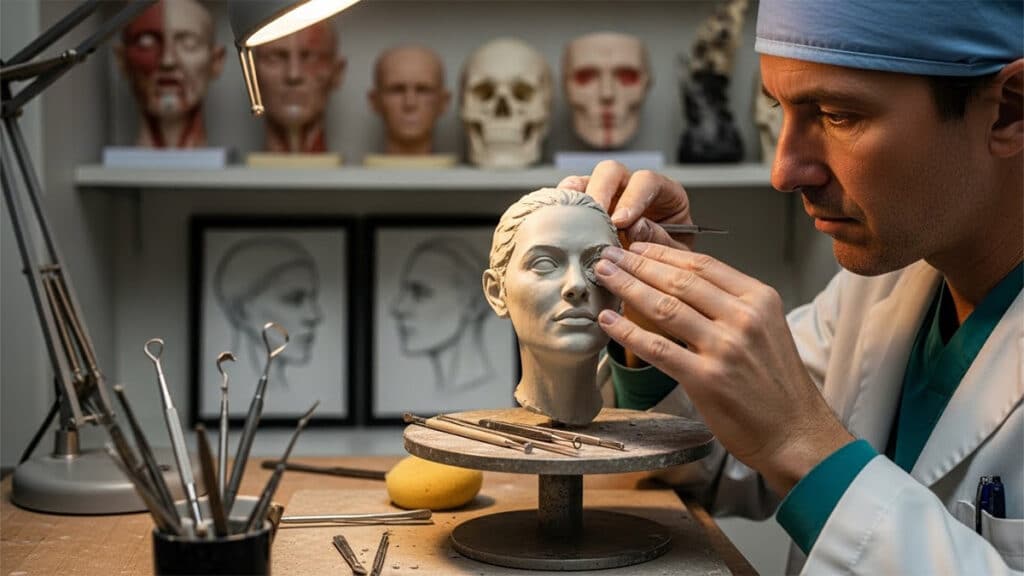
Plastic surgery has become increasingly focused on individual goals, proportions, and lifestyle considerations rather than a standard approach for every patient. Before choosing a procedure, many people now place greater importance on consultation quality, specialist expertise, recovery planning, and realistic expectations. Consulting an experienced plastic surgeon Sydney patients can speak with directly provides an opportunity to explore suitable options while considering individual needs and desired outcomes. A personalised process can make the overall surgical journey more organised, comfortable, and informed.
What does personalised treatment planning involve?
Personalised treatment planning begins with understanding what a patient hopes to achieve. During a consultation, factors such as anatomy, skin quality, overall health, lifestyle, and aesthetic preferences can be considered.
The purpose is to develop an approach that complements the individual’s existing features. This can help create results that look balanced and appropriate rather than overly uniform. Careful planning also gives patients an opportunity to understand the expected stages of treatment and recovery.
Which factors can influence the choice of procedure?
There is no single procedure that suits every patient. Individual anatomy, personal objectives, age, lifestyle, and previous surgical history can all influence treatment recommendations.
For example, patients interested in facial enhancement may explore procedures designed to refine facial contours or address specific areas of concern. Those considering body procedures may be interested in improving shape and proportion following changes in weight, ageing, or other life circumstances.
A detailed assessment helps determine which option is most appropriate for the individual.
Why does specialist experience matter?
Plastic surgery requires a combination of medical knowledge, technical precision, aesthetic judgement, and careful preparation. Specialist experience can support thoughtful decision-making at each stage of treatment.
Patients often value surgeons who understand that successful outcomes involve more than the procedure itself. Planning, communication, surgical technique, and postoperative care all contribute to the overall experience.
How can patients prepare for their consultation?
Preparation can make a consultation more productive. Patients may consider what they would like to change, what outcome they hope to achieve, and any questions they want answered.
It can also be useful to discuss lifestyle requirements, expected recovery time, and how a proposed procedure may fit into everyday commitments. Having clear expectations allows the consultation to focus on practical and personalised information.
What role does communication play before surgery?
Clear communication helps patients understand their treatment options and make confident decisions. A professional consultation should provide space for patients to discuss their goals openly and receive straightforward explanations.
Good communication can also help establish realistic expectations. Understanding what a procedure can achieve allows patients to approach surgery with a positive and informed outlook.
Why is recovery planning important?
Recovery is an important part of the complete surgical journey. Patients benefit from knowing what to expect after their procedure, including general activity considerations and the importance of following postoperative instructions.
Planning ahead can make recovery more manageable. Organising appropriate support, allowing sufficient time for rest, and following professional recommendations can contribute to a smoother experience.
Can plastic surgery focus on natural-looking results?
Yes. Modern plastic surgery can be planned around balance, proportion, and harmony with existing features. The objective is often to enhance or refine particular characteristics while maintaining an appearance that remains individual to the patient.
A personalised assessment allows treatment to be tailored accordingly, helping patients pursue outcomes that reflect their own preferences.
What should patients consider when selecting a Sydney practice?
Patients can consider specialist qualifications, relevant surgical experience, consultation approach, treatment options, facility standards, and postoperative support. Feeling comfortable communicating with the clinical team is also an important part of the decision-making process.
A practice that prioritises individual care can help patients feel informed at every stage.
Conclusion
A successful plastic surgery journey begins well before the procedure itself. Personalised assessment, specialist expertise, clear communication, thoughtful treatment planning, and appropriate recovery guidance can all contribute to a positive patient experience. By taking time to understand their options and goals, patients can approach plastic surgery with greater confidence and a clear understanding of their individual treatment pathway.
+++++++++++++++++++++++++
Key Takeaways
- Plastic surgery is increasingly focused on individual goals, proportions, and lifestyle considerations rather than a one-size-fits-all approach.
- Personalised treatment planning involves understanding a patient’s aspirations, anatomy, skin quality, lifestyle, and aesthetic preferences to create tailored outcomes.
- Factors influencing the choice of a plastic surgery procedure include individual anatomy, personal objectives, age, lifestyle, and previous surgical history.
- Clear communication during consultations helps patients understand treatment options and establish realistic expectations for outcomes.
- Recovery planning is critical as it prepares patients for post-operative expectations and supports a smoother recovery process.
- Patients selecting a plastic surgery practice should consider specialist qualifications, experience, communication style, and the level of individual care provided.