








How Can Loft Ladders Help Maximise Space in Modern Homes?
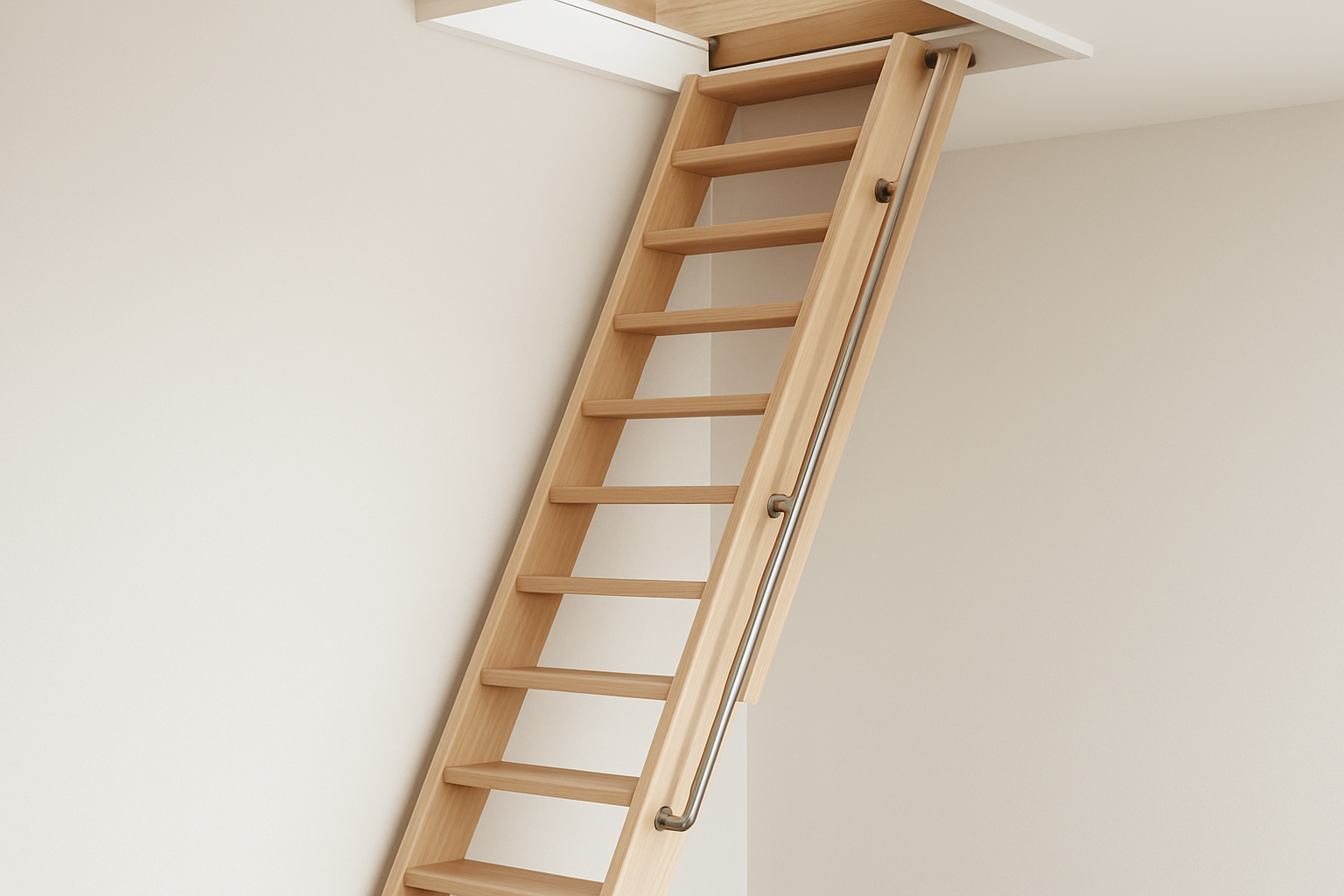
Modern homes increasingly require practical storage solutions as living spaces become more expensive and homeowners seek better ways to organise their belongings. Unused loft areas can provide valuable additional storage without extending the property’s footprint. Installing suitable loft ladders makes these spaces easier to access while preserving floor space in bedrooms, hallways and landings. The right design can combine convenience, safety and efficient space management, helping homeowners make better use of existing areas.
1. Why Are Space-Saving Loft Access Solutions Important?
Space-saving access systems reduce the need for permanent staircases that occupy valuable floor space. Traditional stairs may be impractical in smaller properties, particularly where hallways and landings have limited room. Folding, sliding and telescopic designs offer alternatives that can be stored neatly when not in use.
2. Which Loft Ladder Designs Suit Compact Properties?
Folding models are popular because they retract into the loft opening after use. Sliding options can suit properties with sufficient clearance for the ladder to move into position. Telescopic designs collapse into compact sections, making them useful where storage space is restricted. The best choice depends on ceiling height, available clearance and the loft’s intended purpose.
3. What Statistics Should Homeowners Consider Before Installation?
Measurements provide a more reliable starting point than appearance alone. Homeowners should record the ceiling height, loft hatch dimensions, floor clearance and available landing space. Even a difference of several centimetres can influence whether a particular model fits comfortably. Checking the manufacturer’s specifications before purchasing can reduce the likelihood of installation difficulties and unnecessary costs.
4. How Can a Loft Ladder Improve Storage Efficiency?
Accessible loft storage allows seasonal decorations, suitcases, archived paperwork and occasional-use household items to be kept away from everyday living areas. A properly organised loft can reduce clutter in cupboards and spare rooms. However, storage capacity depends on the property’s structure, insulation arrangements and safe loading limits rather than the ladder itself.
5. Which Safety Features Matter Most?
Secure fixings, suitable handholds, stable steps and an appropriate load rating are essential considerations. The ladder must be compatible with the loft opening and installed according to the manufacturer’s instructions. Adequate lighting and an unobstructed landing area also improve usability. Homeowners should avoid climbing with oversized or heavy objects that compromise balance.
6. Can Loft Ladders Support Energy Efficiency?
A well-fitted loft hatch can help limit unwanted heat loss when combined with appropriate insulation and draught control. The ladder installation should not compress insulation unnecessarily or obstruct ventilation requirements. Building professionals can advise on maintaining thermal performance while ensuring that the access arrangement remains practical and safe.
7. Is Professional Installation Worth Considering?
Professional installation can be particularly valuable when the hatch requires modification, the ceiling structure is uncertain or the opening is positioned in a confined area. An installer can assess measurements, mounting points and safe operating clearance. This helps reduce fitting errors and ensures the selected design suits the property.
8. How Should Homeowners Maintain Their Loft Access System?
Routine inspections should check hinges, springs, fixings, steps and moving components for wear or looseness. Dust and debris should be removed, and any manufacturer-recommended maintenance should be followed. Damaged components require attention before further use.
Ultimately, an effective loft access solution should balance compact storage, dependable operation and long-term safety. Careful planning allows homeowners to reclaim valuable living space while making previously inaccessible areas more useful.
Key Takeaways
- Unused loft areas provide additional storage without expanding the property’s footprint.
- Folding, sliding, and telescopic loft ladder designs are available to save space in homes.
- Homeowners must record specific measurements such as ceiling height and loft hatch dimensions to ensure proper ladder fit.
- A properly organised loft can significantly reduce clutter in living areas while increasing storage efficiency.
- Safety features like secure fixings and stable steps are crucial for the safe use of loft ladders.
- Professional installation can help ensure that loft access solutions are correctly fitted and suitable for the property.