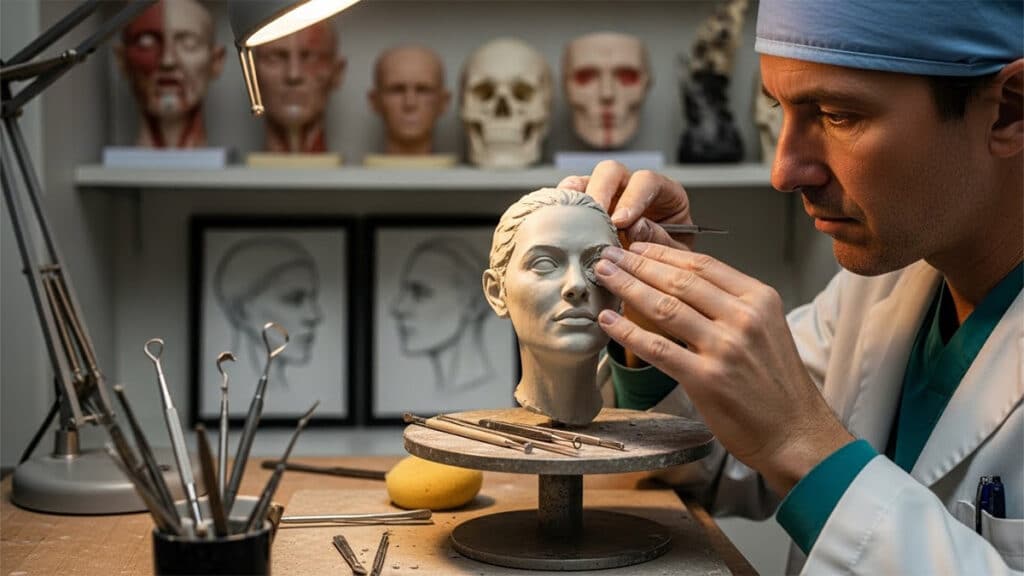








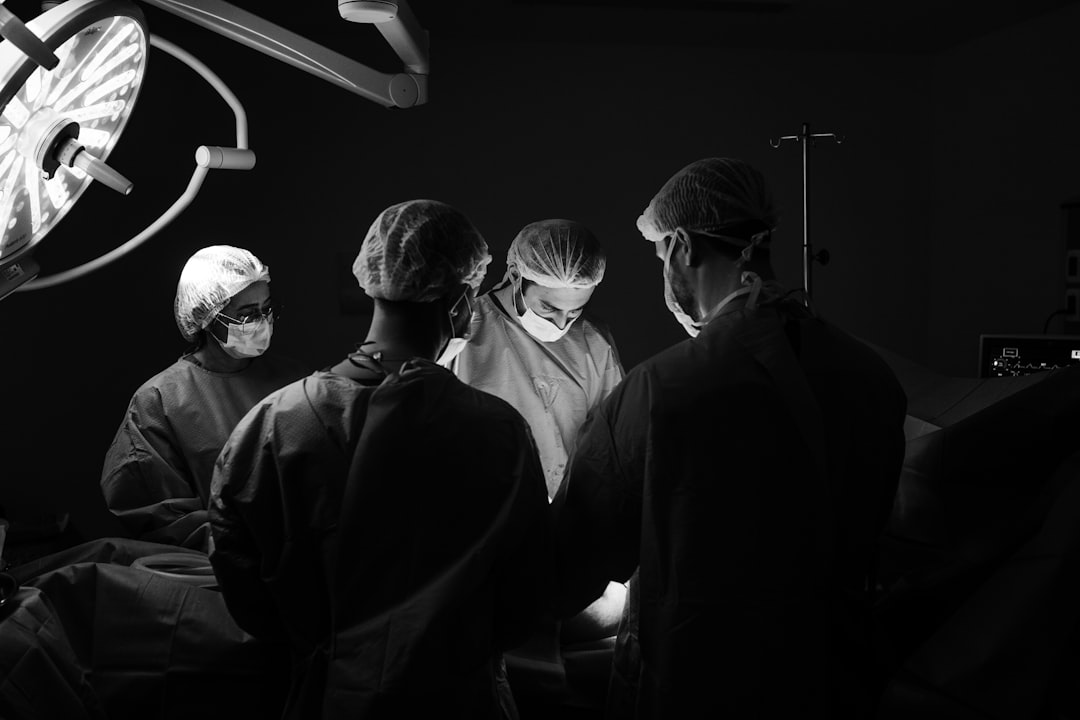
Why has personalized planning become important in modern plastic surgery?
Plastic surgery has gradually moved toward approaches that place greater emphasis on individual characteristics, treatment goals, and informed decision-making. Patients increasingly value care that recognizes their specific needs rather than relying on generalized treatment models. Dr. Thanapoom Boonipat reflects this evolving professional direction, where detailed assessment and personalized planning can help create a more structured and patient-focused surgical experience.
Table of Contents
- Why has personalized planning become important in modern plastic surgery?
- What does personalized surgical planning involve?
- How has technology influenced surgical planning?
- Why is patient communication part of personalized planning?
- How does professional knowledge contribute to individualized care?
- Can personalized planning support natural-looking results?
- Why does planning extend beyond the procedure itself?
- Conclusion
What does personalized surgical planning involve?
Personalized planning begins with understanding the individual rather than focusing solely on the procedure. Factors such as anatomy, desired improvements, lifestyle considerations, and personal expectations can all influence how treatment is approached. By bringing these elements together, a surgical plan can be developed around the patient’s circumstances.
This approach also provides a stronger foundation for discussing realistic goals. Patients can gain a clearer understanding of what their treatment is intended to accomplish and how different stages of the process may unfold.
How has technology influenced surgical planning?
Advances in medical technology have introduced new tools that can support modern treatment planning. Improved imaging, enhanced assessment methods, and refined surgical techniques can provide additional information for professional decision-making.
Technology is most valuable when it complements clinical expertise. A thoughtful combination of technological resources and professional judgment allows surgeons to consider individual details more carefully while developing an appropriate treatment strategy.
Why is patient communication part of personalized planning?
A surgical plan is more effective when patients understand and participate in the process. Consultations create an opportunity to discuss personal objectives, treatment considerations, recovery expectations, and questions about the procedure.
Open communication can also help align expectations with achievable outcomes. This collaborative approach encourages patients to become active participants in their healthcare decisions rather than passive recipients of treatment.
How does professional knowledge contribute to individualized care?
Personalized planning requires more than identifying a patient’s preferred outcome. It also involves evaluating the clinical factors that may influence how treatment should be approached. Experience, continuous education, and familiarity with evolving surgical techniques can support informed professional judgment.
Dr Mo Boonipat represents the broader value of maintaining a learning-focused perspective within a specialty that continues to develop. Ongoing professional growth can help medical practitioners remain aware of advances while keeping individual patient needs central to decision-making.
Can personalized planning support natural-looking results?
Aesthetic harmony is an important consideration for many patients. Personalized planning allows professionals to account for proportions, existing features, and individual preferences when considering an aesthetic procedure.
Rather than treating improvement as a standardized concept, a personalized approach recognizes that a desirable result can look different for every patient. This attention to balance can support outcomes that complement the individual’s existing characteristics.
Why does planning extend beyond the procedure itself?
Modern surgical planning includes considerations before, during, and after treatment. Preparation, recovery guidance, follow-up, and communication can all contribute to a complete care experience. Considering these elements in advance helps create a more organized treatment journey.
This broader perspective demonstrates how personalized planning has evolved from simply selecting a procedure to developing a comprehensive approach around the patient.
Conclusion
The evolution of personalized surgical planning reflects the growing importance of individualized healthcare in modern plastic surgery. Detailed assessment, technology, professional knowledge, communication, and long-term planning can work together to create a thoughtful treatment pathway. The approach associated with Dr. Thanapoom Boonipat Lubbock tx highlights the continuing movement toward surgical care that respects individual goals while embracing precision, innovation, and patient-focused planning.
Key Takeaways
- Plastic surgery is increasingly focusing on personalized planning that addresses individual characteristics and treatment goals.
- Personalized surgical planning incorporates factors such as anatomy, desired improvements, lifestyle considerations, and personal expectations.
- Advances in medical technology support modern treatment planning by providing improved imaging and refined surgical techniques.
- Effective surgical plans involve open communication between patients and surgeons to align expectations with achievable outcomes.
- Personalized planning takes into account aesthetic harmony by considering individual proportions and existing features for natural-looking results.
- Comprehensive surgical planning involves preparation, recovery, and follow-up care, extending beyond just the procedure itself.